Source Yellow Concrete Defoamer for Construction, Industry, and Labs
Find and compare 30 Yellow Concrete Defoamer options for construction, industrial, and laboratory applications. Evaluate fast-setting liquid and powder variants with low water content and high defoaming efficiency to meet specific project requirements.
Key considerations
Products List


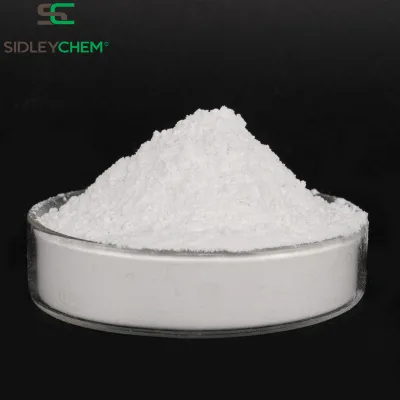
High Efficiency Antifoam Polyether Material Defoamer Concrete Defoamer
$1500.00 - $3000.00
MOQ: 1 Tons


Comprehensive Sourcing Guide
Yellow Concrete Defoamer Sourcing Guide
The procurement of Yellow Concrete Defoamer requires a nuanced understanding of the diverse product landscape, where suppliers often list variations ranging from liquid emulsions to powder formulations under similar functional names. Buyers must recognize that while the core keyword suggests a specific color, the actual market data reveals a spectrum of appearances, including transparent viscous liquids, white powders, and colorless solutions, indicating that color is not a reliable primary identifier for performance. The observed product listings demonstrate that "yellow" may refer to a specific formulation variant or a marketing descriptor, but the physical reality of the material often depends on the specific chemical composition and the intended application environment, such as construction sites or industrial processing lines.
Sourcing decisions must be grounded in the specific performance metrics observed in the market, such as setting time, deforming ratio, and bulk density, rather than relying solely on visual descriptions. The data indicates that high-efficiency products often boast a deforming ratio of 90% or higher and fast setting times, which are critical for maintaining construction schedules and ensuring structural integrity. Buyers should approach listings with the understanding that a single product name may cover multiple grades, from technical grade reagents to primary standards, necessitating a rigorous verification of the specific model number and physical properties before committing to a purchase order.
Product Scope and Observed Listing Signals
The product scope for concrete defoamers in the current market encompasses a wide array of physical forms, including liquid variants packaged in IBC tanks and 200kg drums, as well as powder forms distributed in 25kg bags or paper bags. This diversity in packaging and physical state suggests that the "yellow" designation might apply to specific liquid emulsions or be a misnomer for a broader category of admixtures that includes white powders and colorless liquids. Procurement teams must carefully cross-reference the listed appearance with the intended application, as the choice between a liquid and a powder can significantly impact handling logistics, storage requirements, and the ease of integration into concrete mixing processes.
Listing signals often reveal conflicting attributes, such as products described as having a "fast setting" time alongside others with "normal setting" characteristics, or bulk densities ranging from 0.85 to 0.89 g/L to 400-600 g/L. These variations indicate that the market is segmented by specific performance needs, where some formulations prioritize rapid curing for fast-track construction projects while others focus on long-term stability or specific chemical interactions. Buyers should treat these listing signals as indicators of different product tiers rather than inconsistencies, requiring a detailed review of the product model, such as DS-8000 or DF 130P, to ensure the selected item aligns with the project's technical requirements.
Technical Specifications to Verify
Verification of technical specifications is paramount, with a primary focus on the deforming ratio, which serves as a critical indicator of the defoamer's efficiency in eliminating air entrainment within the concrete mix. The observed data highlights products with a deforming ratio of 90% or greater, a threshold that buyers should use as a baseline for evaluating potential suppliers. It is essential to confirm that the specific batch or model being sourced meets or exceeds this efficiency metric, as lower ratios can lead to compromised concrete strength, increased porosity, and potential structural failures in the final build.
Beyond the deforming ratio, buyers must rigorously verify the pH levels, water content, and loss on drying percentages to ensure chemical compatibility and stability. The market data shows pH values ranging from 6.0 to 8.0 and water content limits of 0.1% or less, which are vital for preventing adverse reactions with other concrete admixtures and ensuring the product remains stable during storage and transport. Additionally, the bulk density and specific usage claims, such as suitability for concrete admixtures or technical grade applications, must be validated against the supplier's test reports to confirm that the product will perform as expected in the specific environmental conditions of the construction site.
Compliance and Safety Documentation
Compliance and safety documentation must be scrutinized to ensure that the defoamer meets environmental protection and safety standards, particularly given the increasing regulatory scrutiny on construction chemicals. The observed product attributes mention "Environmental and Safety Perf" as a feature, suggesting that suppliers claim adherence to safety protocols, but buyers must request formal documentation to verify these claims. This includes checking for Material Safety Data Sheets (MSDS) that detail handling procedures, first aid measures, and environmental impact assessments, ensuring that the product does not pose undue risks to workers or the surrounding ecosystem.
Furthermore, the classification of the product as a primary standard or technical grade reagent implies different levels of purity and intended use, which directly impacts the required safety documentation. For products sourced from regions like Shandong, China, buyers should verify that the manufacturing process adheres to international safety standards and that the product is free from prohibited substances. The presence of specific usage instructions, such as "Low Usage and High Efficiency," should be backed by certified test results that demonstrate the product's safety profile under actual application conditions, rather than relying solely on marketing assertions.
Cost Drivers and Commercial Terms
Cost drivers for Yellow Concrete Defoamer are heavily influenced by the product's grade, packaging format, and the complexity of the chemical formulation required to achieve high deforming ratios. The observed MOQ range of 1 to 1000 units and the variety of packaging options, from 25kg bags to 1000kg IBC tanks, suggest that economies of scale play a significant role in pricing. Buyers should anticipate that larger volume purchases in IBC tanks may offer better unit costs compared to smaller drum or bag quantities, but this must be balanced against storage capacity and the shelf life of the product, which is noted to be around six months for certain formulations.
Commercial terms must be clearly defined to manage the risks associated with lead times and customization availability. While some suppliers offer customization and sample provision, the actual lead time and minimum order quantities can vary significantly based on the specific model and origin. Buyers should negotiate terms that account for potential delays in shipping from China and ensure that the contract includes clear provisions for quality disputes, particularly given the observed variations in product attributes like color and appearance. Understanding the cost structure, including the impact of the "Standard" content and "Extract Natural Things" sourcing claims, is essential for accurate budgeting and financial planning.
Supplier Qualification and Quality Control
Supplier qualification requires a thorough vetting process that goes beyond basic contact information to include an assessment of the manufacturer's production capabilities and quality control systems. The observed data indicates that products originate from specific regions like Shandong, China, and are available in various models, suggesting a need to verify the supplier's ability to maintain consistent quality across different batches. Buyers should request evidence of the supplier's quality management systems, including how they handle the "Customization" requests and ensure that the "High Bonding Strength" and other performance claims are consistently met.
Quality control measures must be embedded in the procurement process, with a focus on verifying the physical and chemical properties of the delivered product against the agreed specifications. Given the observed variations in color, appearance, and density, buyers should implement a rigorous incoming inspection protocol that includes testing for pH, water content, and deforming ratio. The availability of samples and the supplier's willingness to provide them should be leveraged to conduct pre-shipment trials, ensuring that the product meets the project's specific technical requirements before full-scale delivery is authorized.
Long-Term Procurement Checks
Long-term procurement checks should focus on the stability of the product's performance over time and the supplier's ability to maintain consistent quality and supply. The observed shelf life of six months for certain products necessitates a strategic approach to inventory management, ensuring that stock is rotated effectively to prevent degradation. Buyers should establish a schedule for periodic re-testing of the defoamer to verify that the deforming ratio and other critical parameters remain within the specified limits throughout the product's lifecycle.
Additionally, long-term relationships with suppliers should be built on a foundation of continuous communication and performance monitoring. Buyers should track the supplier's adherence to the "Environmental and Safety Perf" claims and their responsiveness to any quality issues that arise during the construction process. By maintaining a detailed record of product performance and supplier interactions, procurement teams can identify trends, negotiate better terms, and ensure a reliable supply chain for future projects, ultimately safeguarding the integrity and efficiency of their concrete operations.
FAQs
What is the setting time for Yellow Concrete Defoamer?
The product offers fast setting time options suitable for construction applications. Some variants provide normal setting characteristics to accommodate different concrete admixture requirements. This flexibility allows users to select the appropriate type based on their specific project timeline and curing needs.
How is the Yellow Concrete Defoamer packaged for shipment?
Packaging options include IBC tanks, 200kg plastic drums, and 25kg bags depending on the specific model. Some liquid forms come in 200g drums while powder versions are available in 25kg bags. Buyers can choose the packaging that best fits their storage capacity and usage volume.
Can I get samples of the Yellow Concrete Defoamer?
Samples are provided for potential buyers to evaluate product quality before placing a large order. This allows clients to test the defoaming rate and compatibility with their specific concrete mixtures. The sample availability supports informed decision-making for industrial and construction applications.
What is the minimum order quantity for Yellow Concrete Defoamer?
The minimum order quantity ranges from 1 ton for standard orders to 1000 units for smaller batches. Specific MOQ values depend on the product model and packaging selected by the buyer. This range accommodates both large-scale industrial projects and smaller construction site requirements.
Where is the Yellow Concrete Defoamer manufactured?
The product originates from China, with specific manufacturing locations including Shandong. This regional origin ensures access to established supply chains for construction chemicals. Buyers can expect consistent quality standards aligned with international requirements for concrete admixtures.
What is the shelf life of the Yellow Concrete Defoamer?
The product has a shelf life of 6 months when stored under recommended conditions. This duration ensures the defoaming efficiency remains stable during typical storage periods. Proper handling is essential to maintain the specified performance characteristics throughout the product's usable life.